Abstract Peacock Feather Texture: A Unique Digital Design Element
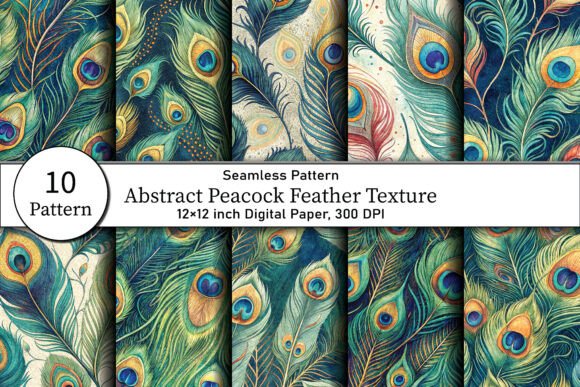
The Abstract Peacock Feather Texture is a distinctive digital pattern that captures the essence of peacock feathers in a stylized, non-literal form. Unlike traditional feather textures that focus on photorealism or detailed illustration, abstract versions simplify and reinterpret the natural patterns found in these iridescent bird feathers. This makes them ideal for designers looking to incorporate organic inspiration with a modern twist into their creative projects.
What Makes Abstract Peacock Feather Texture Stand Out?
Peacock feathers are naturally rich in color gradients, geometric shapes, and intricate markings. The abstract interpretation of this texture retains those elements but filters them through artistic abstraction. This results in designs that evoke the wild elegance of the original without being literal representations.
Key features include:
- Unique visual appeal: Combines natural motifs with contemporary design sensibilities.
- Versatility: Suitable for both print and digital applications due to its seamless nature.
- High-resolution formats: Available in PNG (with transparent backgrounds) and JPG (300 DPI), ensuring quality across various uses.
- No watermarks: Ready-to-use files allow for immediate integration into projects without additional editing.
This texture is particularly popular among crafters, graphic designers, and DIY enthusiasts who want to add a touch of sophistication and uniqueness to their work.
Comparing Abstract Peacock Feather Texture with Similar Options
When evaluating digital paper bundles, it’s important to consider how one pattern fits within a broader category. Here’s how the Abstract Peacock Feather Texture compares to other animal-inspired and abstract patterns:
Animal Skin Patterns vs. Abstract Interpretations
Many digital design collections feature realistic animal skin textures, such as leopard spots or zebra stripes. These are great for projects where authenticity is key, like wildlife-themed invitations or fabric prints. However, they may not offer the same flexibility as abstract versions.
The Abstract Peacock Feather Texture differs by providing a more versatile base. Its simplified forms can be layered, tinted, or combined with other patterns without overwhelming the design. For example, using an abstract feather texture as a background for a vintage-style scrapbook page allows the main content to remain the focal point while still adding depth and interest.
Seamless vs. Non-Seamless Patterns
Seamless patterns are designed to tile perfectly without visible edges or repetition, making them ideal for large-scale applications like wallpaper or wrapping paper. In contrast, non-seamless patterns often require cropping or adjusting to avoid unwanted seams.
The Abstract Peacock Feather Texture is offered in seamless format, which is a significant advantage when working on layouts that need coverage over multiple panels or expansive areas. This ensures a smooth and cohesive look across all surfaces, whether printed or digital.
Strengths and Tradeoffs of Using Abstract Peacock Feather Texture
Like any design resource, the Abstract Peacock Feather Texture has its own set of advantages and limitations. Understanding these will help you determine if it aligns with your project goals.
Strengths
- Professional-grade quality: High-resolution files at 3600 x 3600 pixels ensure crisp printing and clear digital displays.
- Transparent PNG options: Allow for easy layering and blending in design software like Photoshop or Canva.
- Instant download availability: No waiting for shipping; start creating immediately after purchase.
- Compatibility: Works seamlessly with most major design platforms, including Adobe Illustrator, Procreate, and GIMP.
Tradeoffs and Limitations
While the abstract approach offers flexibility, it may not suit every aesthetic. Some users might prefer more literal or photographic textures for specific themes. Additionally, because it's a standalone pattern, it may require complementary elements to create a balanced design.
For instance, if you're designing a wedding invitation and want to use the Abstract Peacock Feather Texture, you may need to pair it with softer colors or minimalist typography to prevent it from clashing with the overall theme.
Best-Fit Situations for Abstract Peacock Feather Texture
This type of texture shines in scenarios where a blend of nature and artistry is desired. Here are some examples of when it would be a good fit:
- Scrapbooking and journaling: Adds a dynamic yet elegant background that complements photos and handwritten notes.
- Digital illustrations and web graphics: Provides a unique backdrop for blog headers, social media posts, or website banners.
- Invitations and event design: Offers a sophisticated and eye-catching option for themed parties or luxury events.
- Fabric and sublimation printing: Ideal for textiles where subtle yet striking patterns are preferred.
- Card making and stationery: Enhances the visual impact of handmade cards, calendars, or planners.
Its 12 x 12 inch dimensions also make it convenient for standard-sized paper crafts and printable items, eliminating the need for resizing or stretching.
Alternatives to Consider
Depending on your project needs, there are several alternatives worth exploring. These include:
- Realistic animal textures: Such as tiger stripes or elephant skin for more authentic representations.
- Botanical abstract patterns: Featuring leaves, flowers, or vines for a different kind of natural flair.
- Geometric abstract patterns: For those who prefer clean lines and symmetry over organic shapes.
- Hand-drawn textures: Often provide a warmer, more artisanal feel compared to digitally generated ones.
If your goal is to create something bold and unmistakably wild, then a classic animal print like leopard or cheetah might be a better choice. But if you’re aiming for a balance between nature and modernity, the Abstract Peacock Feather Texture could be the perfect fit.
How to Decide If It Fits Your Project
To evaluate whether the Abstract Peacock Feather Texture is right for your work, ask yourself the following questions:
- Do I want a pattern that feels inspired by nature but not overly literal?
- Will the design benefit from a mix of geometric and organic elements?
- Am I working with high-resolution requirements, such as for print or professional graphics?
- Do I need transparency for layering or overlay effects?
- Is my target audience likely to appreciate a modern, artistic take on natural motifs?
Answering “yes” to most of these suggests the texture could enhance your project. Conversely, if you're seeking realism or a simple solid color, you may find other options more suitable.
Practical Applications and Real-World Examples
Let’s explore a few real-world applications of the Abstract Peacock Feather Texture to understand its versatility:
Example 1: Wedding Invitations
A designer used the texture as a background for a bohemian-themed wedding suite. They overlaid it with gold foil text and floral accents, creating a luxurious and nature-inspired design that stood out in both digital and print formats.
Example 2: Fashion Fabric Prints
A small clothing brand incorporated the texture into a line of scarves. By adjusting the scale and layering it under a semi-transparent mesh pattern, they achieved a subtle yet stylish finish that resonated with eco-conscious customers.
Example 3: Website Backgrounds
A travel blogger used the texture as a repeating background for a post about exotic destinations. The abstract pattern added depth and intrigue without distracting from the photographs and text.
Final Thoughts on Choosing the Right Pattern
Selecting the appropriate texture for your design project depends on a variety of factors, including the intended use, style preferences, and technical requirements. The Abstract Peacock Feather Texture excels in bridging the gap between natural inspiration and contemporary aesthetics. It’s especially valuable for creators who want to add a refined, artistic element without relying on clichéd motifs.
However, it’s essential to match the pattern to the context. For example, while it works beautifully in a scrapbook layout, it might not be the best choice for a corporate presentation unless paired carefully with minimalist elements.
By considering the strengths, limitations, and compatibility of the Abstract Peacock Feather Texture, you can make a well-informed decision that enhances your creative output while maintaining professionalism and visual harmony.